|
|
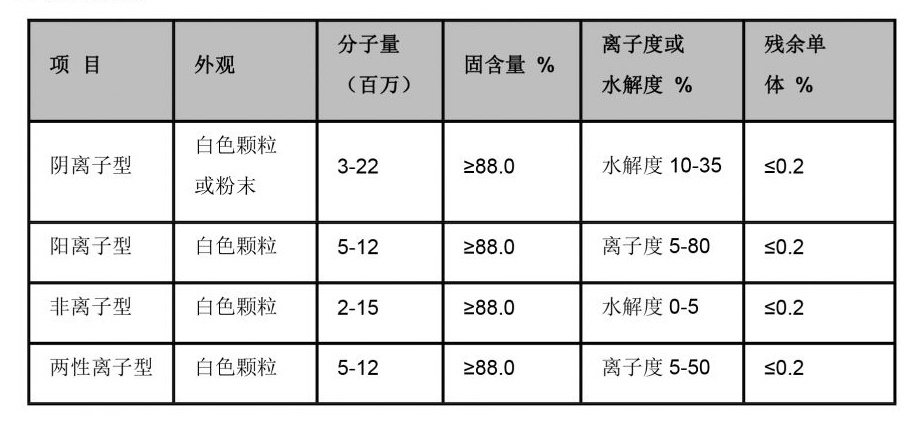
flocculants used in water treatment
|
|
phosphoric acid corrosion inhibitor / phosphate corrosion inhibitor / phosphate ester corrosion inhibitor / phosphonate corrosion inhibitor: LKP BTC manufactures "corrosion inhibitors" based on "phosphoric acid," "phosphate," "phosphate ester," and "phosphonate" chemistry. These compounds work by forming a protective, passivating layer on metal surfaces (often iron and steel) to prevent corrosive agents from attacking the metal.
|
|
|
|
|
|
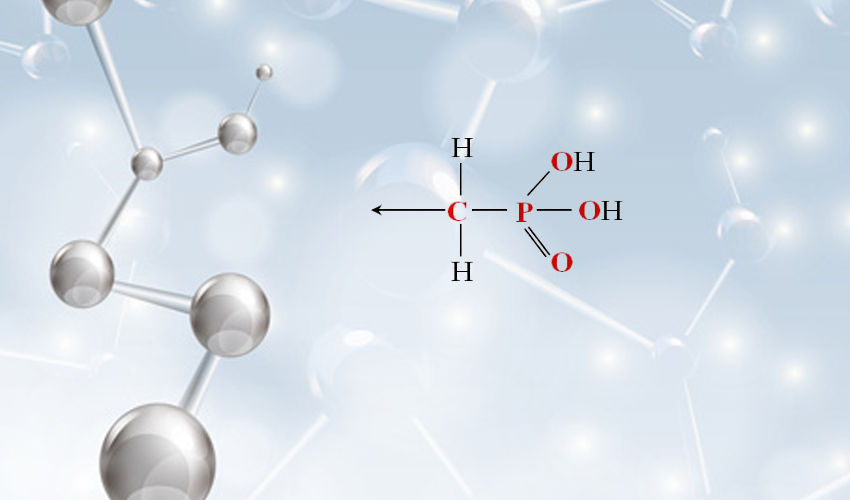
hedp chemical formula
|
|
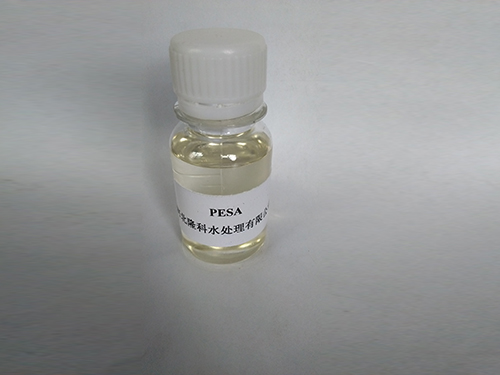
polyaspartic acid / polyaspartic acid sodium salt / polyaspartic acid structure / sodium of polyaspartic acid / cas 181828 06 8 / 181828 06 8: LKP BTC manufactures "Polyaspartic Acid" and its "sodium salt." This biodegradable polymer is used as an eco-friendly scale and corrosion inhibitor. Its unique "structure" allows it to effectively disperse scale-forming particles. The CAS number for polyaspartic acid is 181828-06-8.
|
|
|
|
|
|
types of antiscalant chemical
|
|
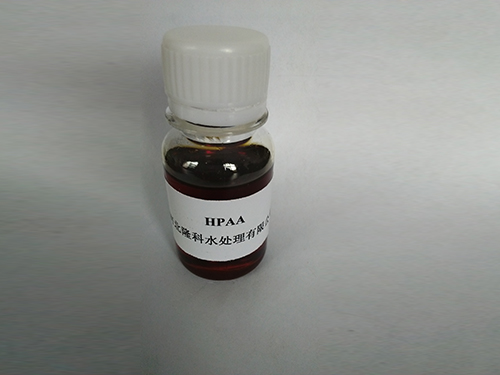
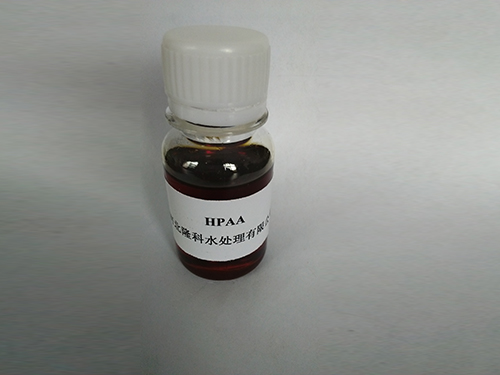
hydroxyphosphonoacetic acid / hpaa: LKP BTC offers "HPAA" (Hydroxyphosphonoacetic Acid), a green and biodegradable phosphonic acid that functions as a scale and corrosion inhibitor. It is an environmentally friendly alternative to traditional phosphonates.
|
|
|
|
- ro antiscalant chemical suppliers Services
|
|
corrosion inhibitor chemicals / corrosion and scale inhibitor / polymer modified active corrosion inhibitor / green corrosion inhibitor / inorganic corrosion inhibitors / long term corrosion inhibitor / oil based corrosion inhibitor / water soluble corrosion inhibitor / volatile corrosion inhibitor chemicals / vci volatile corrosion inhibitor / volatile corrosion inhibitors vci / volatile corrosion inhibitor oil: A core expertise of LKP BTC is developing a wide range of "corrosion inhibitor chemicals." Their portfolio includes:• Multi-functional: "Corrosion and scale inhibitor" blends.• Advanced: "Polymer modified" and "inorganic" inhibitors for enhanced film formation.• Eco-friendly: "Green corrosion inhibitors" made from biodegradable components.• Vapor-phase: "Volatile Corrosion Inhibitors" (VCI) that protect enclosed spaces and are used in "oil" coatings.• Application-specific: "Long term," "oil based," and "water soluble" formulations for different environments.
|
|
|

|
benzalkonium chloride is generally used as
|
|
dodecyldimethylbenzylammonium chloride / ddbac / dodecyl dimethyl benzyl ammonium chloride / benzododecinium / cas 8001 54 5 / cas 63449 41 2 / 63449 41 2 / 8001 54 5 / 63449 41 2 cas / 8001 54 5 cas / cas no 63449 41 2 / cas no 8001 54 5 / cas number 63449 41 2 / cas number 8001 54 5 / cas 139 07 1 / cas no 139 07 1: LKP BTC produces quaternary ammonium compound biocides, specifically "Dodecyldimethylbenzylammonium Chloride" (DDAC or "Benzododecinium"). This is a powerful disinfectant and algicide used in water treatment. The CAS numbers 139-07-1 (for DDAC) and 8001-54-5 or 63449-41-2 (for Benzalkonium Chloride mixtures) are associated with these types of products.
|
|
|
|
|

|
acrylamide is what
|
|
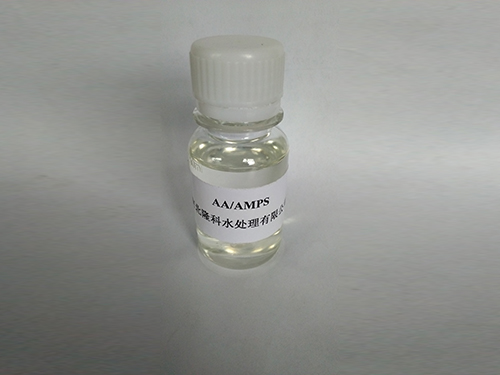
2 acrylamido 2 methylpropane sulfonic acid copolymer / aa-amps / cas 40623 75 4 / 40623 75 4: LKP BTC produces copolymers using "2-Acrylamido-2-methylpropane sulfonic acid" (AMPS). These "AA-AMPS" copolymers are highly effective dispersants and scale inhibitors, known for their superior thermal stability and resistance to hydrolysis in harsh water conditions. The CAS number for an AMPS copolymer is 40623-75-4.
|
|
|
|
|
|
ro antiscalant chemical suppliers Special Activities
|
|
use of corrosion inhibitors / corrosion inhibitors principles mechanisms and applications / use of inhibitors in corrosion control / use of corrosion inhibitors in concrete / corrosion inhibitors in the oil and gas industry / green corrosion inhibitors theory and practice: LKP BTC provides extensive technical support on the "use of corrosion inhibitors." They educate clients on the "principles, mechanisms, and applications" of how their products work to "control" corrosion. This includes specific applications like protecting rebar "in concrete," their critical role "in the oil and gas industry," and the developing science behind "green," environmentally friendly inhibitors.
|
|
|
|
|
|
|
|
ro antiscalant chemical suppliers Hot Activities
|
|
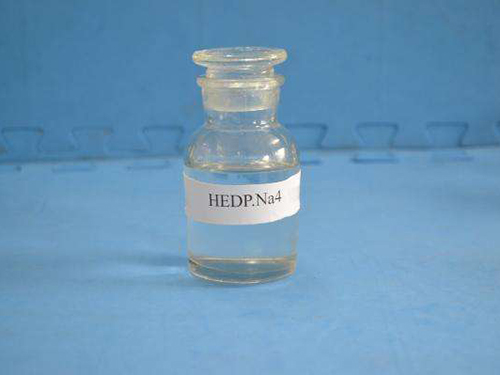
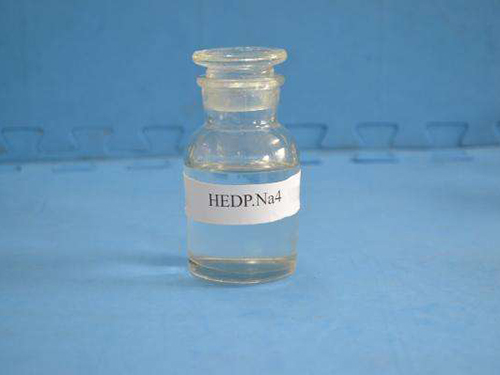
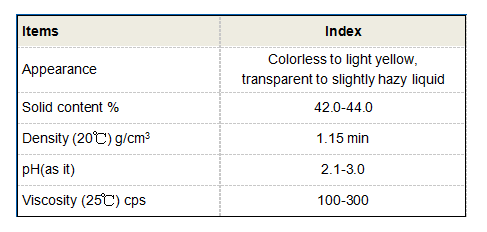
cas 29329 71 3 / 29329 71 3: This CAS number (29329-71-3) refers to the Tetrasodium salt of HEDP. LKP BTC produces this common form of HEDP for various industrial applications.cas 3794 83 0 / 3794 83 0: This CAS number (3794-83-0) refers to the Trisodium salt of HEDP. This is another variant of HEDP that LKP BTC can supply.
|
|
|
|
|
|
|
|
Our Awesome Activities
|
|
diethylene triamine penta / diethylene triamine penta methylene phosphonic acid / diethylenetriamine penta / diethylenetriamine penta methylene phosphonic acid / diethylenetriamine pentamethylene phosphonic acid / dtpmpa / dtpmp: LKP BTC manufactures "DTPMP" or "DTPMPA" (Diethylenetriamine Penta(Methylene Phosphonic Acid)), which is one of the most effective phosphonate inhibitors for scale control, particularly for inhibiting barium sulfate and strontium sulfate scales. It has excellent chelation ability across a wide pH range.
|
|
|
|
|
|
|
|
|
|
|
|
|
|
|
|
|
|
|
|
|
|
|
|
|
|
|
|
|
|
|
|
|
|
What Our Clients Say
|
|
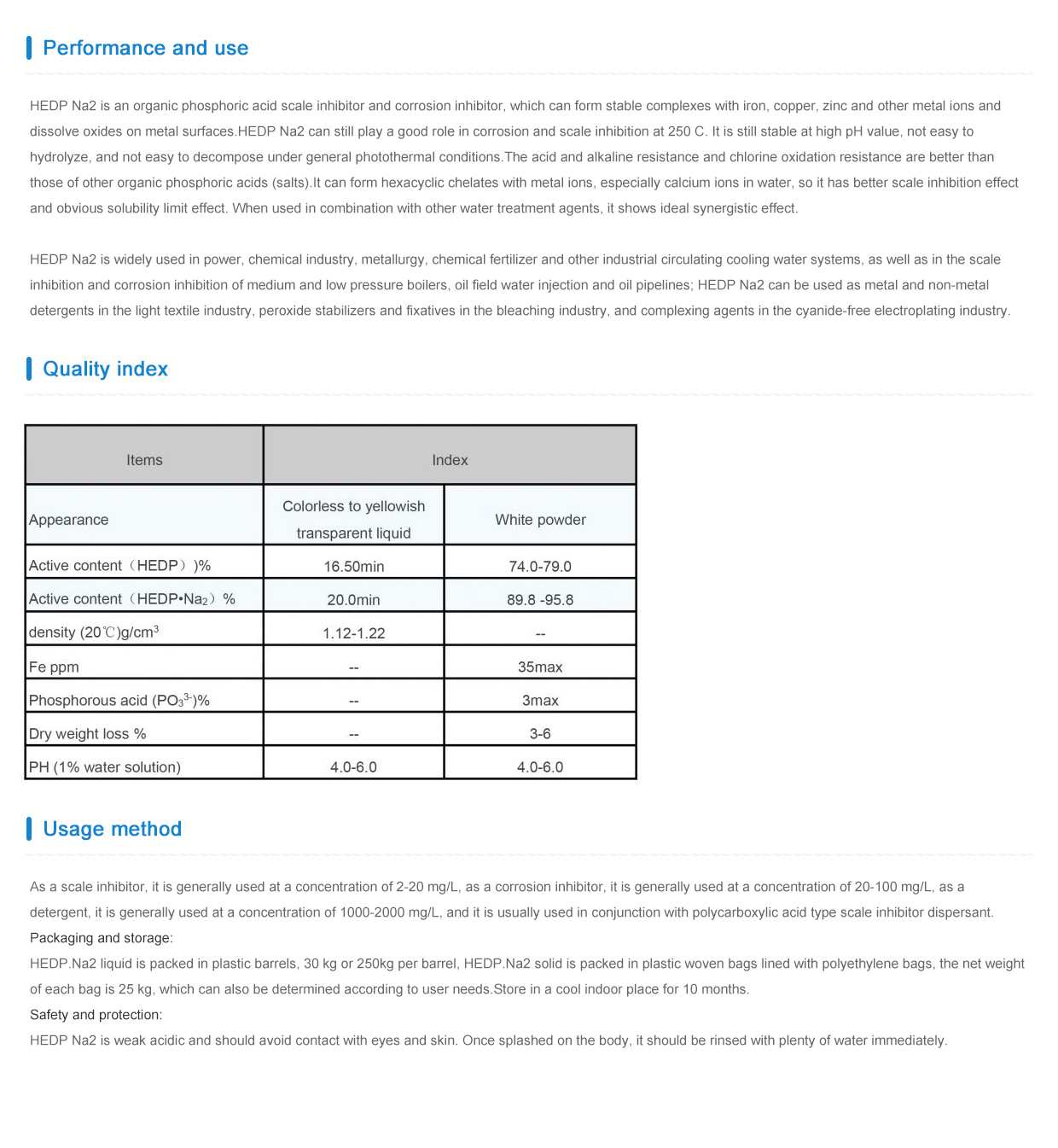
hedp scale inhibitor / hedp / 1 hydroxy ethylidene 1 1 diphosphonic acid hedp / 1 hydroxyethylidene 1 1 diphosphonic acid hedp / hedp 4na / hedp 60 / hedp acid / hedp na2 / hedp na4 / hedp ph / hedp phosphonate / hedp water treatment / sequest hedp / cas no. 37971-36-1: LKP BTC is a leading producer of "HEDP" (Hydroxyethylidene Diphosphonic Acid), a highly effective "scale inhibitor" and "phosphonate." They supply it in various forms: as "HEDP acid" and as its sodium salts ("HEDP 4Na", "HEDP Na2", "HEDP Na4") with different concentrations like "HEDP 60." This organic "phosphonate" is a superb chelating agent ("sequest HEDP") that inhibits scale formation and controls corrosion in "water treatment" systems. Its CAS number is 37971-36-1.
|
|
|

|
|
|
They helped us navigate the complexities of importing for the first time. Very patient and helpful.
|
|
|
|

|
|
|
No issues with galvanic corrosion on their dissimilar metal assemblies. They clearly understand material compatibility.
|
|
|
|
|