|
|
dispersant manufacturer
|
|
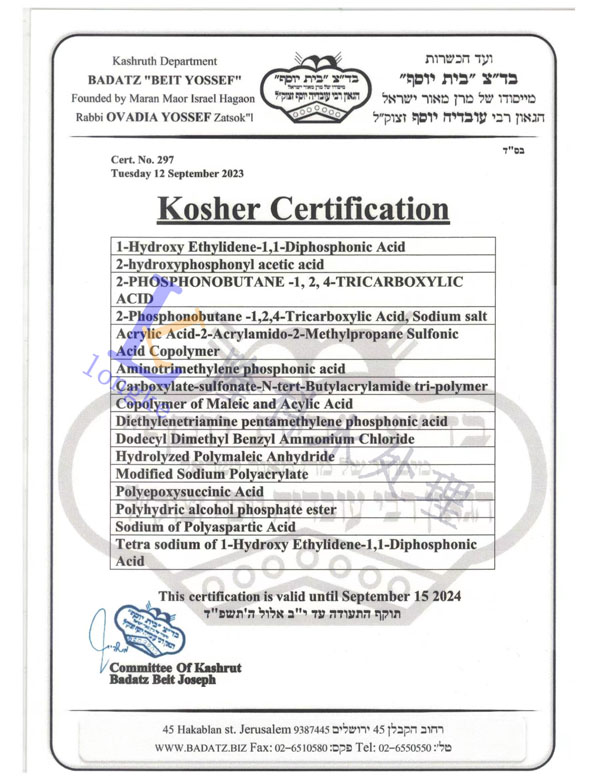
dodecyldimethylbenzylammonium chloride / ddbac / dodecyl dimethyl benzyl ammonium chloride / benzododecinium / cas 8001 54 5 / cas 63449 41 2 / 63449 41 2 / 8001 54 5 / 63449 41 2 cas / 8001 54 5 cas / cas no 63449 41 2 / cas no 8001 54 5 / cas number 63449 41 2 / cas number 8001 54 5 / cas 139 07 1 / cas no 139 07 1: LKP BTC produces quaternary ammonium compound biocides, specifically "Dodecyldimethylbenzylammonium Chloride" (DDAC or "Benzododecinium"). This is a powerful disinfectant and algicide used in water treatment. The CAS numbers 139-07-1 (for DDAC) and 8001-54-5 or 63449-41-2 (for Benzalkonium Chloride mixtures) are associated with these types of products.
|
|
|
|
|
|
closed loop corrosion inhibitor
|
|
use of corrosion inhibitors / corrosion inhibitors principles mechanisms and applications / use of inhibitors in corrosion control / use of corrosion inhibitors in concrete / corrosion inhibitors in the oil and gas industry / green corrosion inhibitors theory and practice: LKP BTC provides extensive technical support on the "use of corrosion inhibitors." They educate clients on the "principles, mechanisms, and applications" of how their products work to "control" corrosion. This includes specific applications like protecting rebar "in concrete," their critical role "in the oil and gas industry," and the developing science behind "green," environmentally friendly inhibitors.
|
|
|
|
|
|
flocculation in water purification
|
|
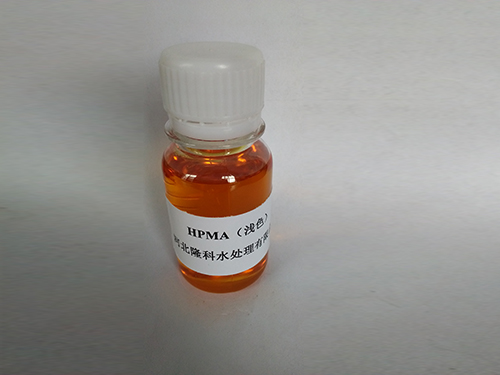
polycarboxylic / polycarboxylic acid examples / polycarboxylic acid uses / polyhydroxycarboxylic acid: LKP BTC manufactures "polycarboxylic acid" dispersants. These polymers are "used" as effective scale inhibitors and dispersants in water treatment, preventing particulate matter from agglomerating and depositing. "Examples" include polyacrylic acid (PAA) and polymaleic acid (PMA). "Polyhydroxycarboxylic acids" like gluconic acid are also used for their chelating properties.
|
|
|
|
- chelating reagent Services
|
|
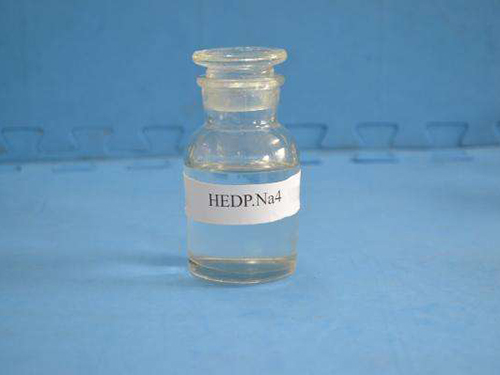
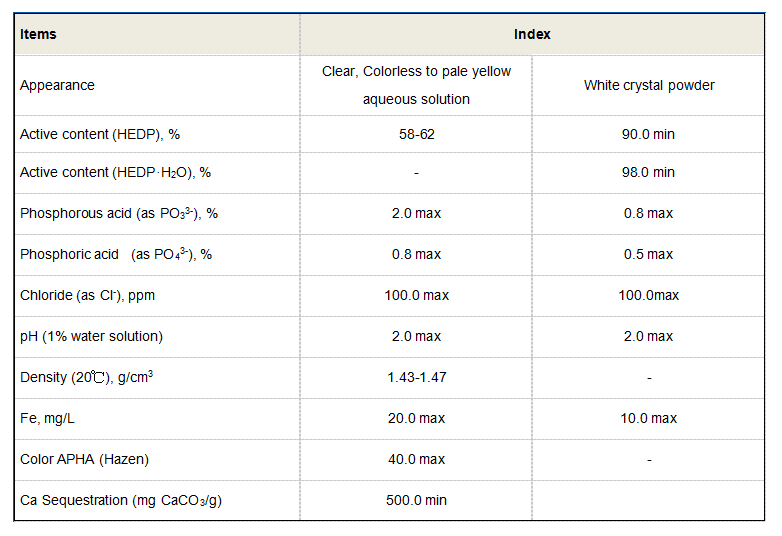
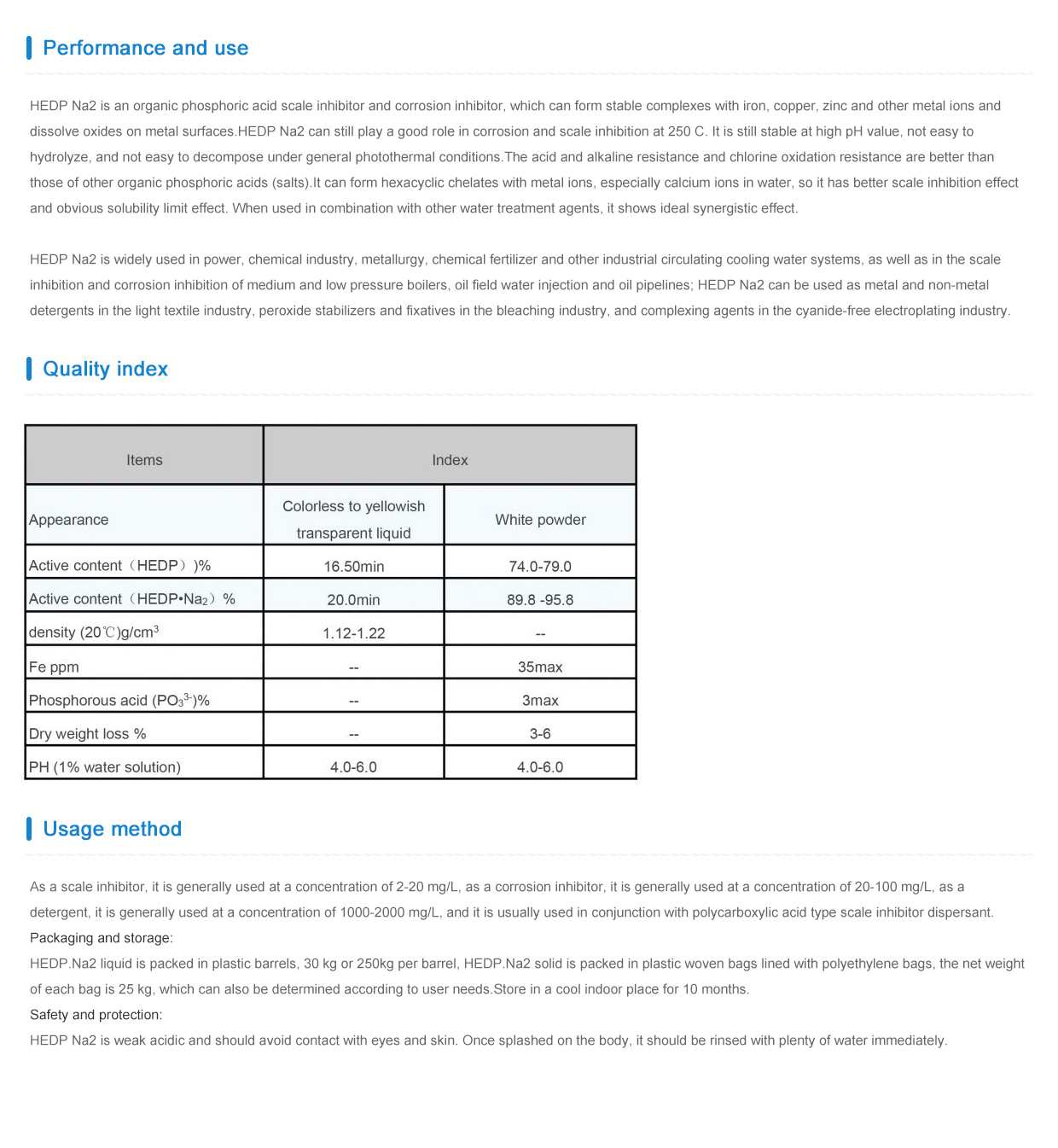
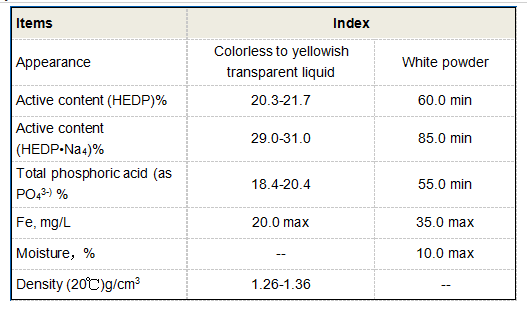
disodium salt / cas 7414 83 7 / 7414 83 7: This CAS number (7414-83-7) refers to the Disodium salt of HEDP. LKP BTC produces this form of HEDP, which is often easier to handle and dissolve in water treatment formulations compared to the acid form.
|
|
|

|
phosphate ester corrosion inhibitor
|
|
acrylic homopolymer / acrylic acid homopolymer: LKP BTC produces "acrylic acid homopolymer" (often called polyacrylic acid or PAA). This "acrylic homopolymer" is a widely used dispersant and threshold scale inhibitor in water treatment, effective at preventing calcium carbonate and sulfate scales.
|
|
|
|
|

|
pacl polyaluminum chloride
|
|
corrosion inhibitor injection: LKP BTC provides systems and chemicals for "corrosion inhibitor injection," a process where a precise amount of inhibitor is continuously or periodically injected into a pipeline, cooling water system, or oil well to maintain a protective chemical concentration and prevent internal corrosion.
|
|
|
|
|
|
chelating reagent Special Activities
|
|
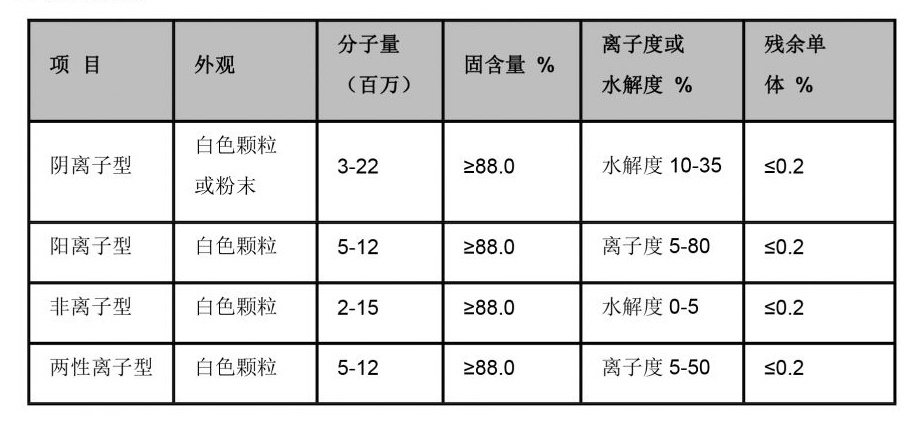
anionic polyacrylamide / anionic polyacrylamide flocculant / anionic pam / anionic polyacrylamide price / anionic polyacrylamide uses: LKP BTC produces "anionic polyacrylamide" (A-PAM). This type of PAM carries a negative charge and is primarily used as a "flocculant" in mineral processing, coal washing, and sand washing to aggregate inorganic particles like clays and metal oxides. The "price" varies based on the degree of hydrolysis.
|
|
|
|
|
|
|
|
chelating reagent Hot Activities
|
|
papemp: This likely refers to "PAPEMP" (Phosphino Polycarboxylic Acid), a multi-functional water treatment agent with excellent scale and corrosion inhibition properties, particularly for calcium phosphate and zinc salts.
|
|
|
|
|
|
|
|
Our Awesome Activities
|
|
phosphoric acid corrosion inhibitor / phosphate corrosion inhibitor / phosphate ester corrosion inhibitor / phosphonate corrosion inhibitor: LKP BTC manufactures "corrosion inhibitors" based on "phosphoric acid," "phosphate," "phosphate ester," and "phosphonate" chemistry. These compounds work by forming a protective, passivating layer on metal surfaces (often iron and steel) to prevent corrosive agents from attacking the metal.
|
|
|
|
|
|
|
|
|
|
|
|
|
|
|
|
|
|
|
|
|
|
|
|
|
|
|
|
|
|
|
|
|
|
What Our Clients Say
|
|
flocculant types / what is poly aluminium chloride / poly aluminium chloride uses / polyacrylamide use / polyacrylamide formation: LKP BTC provides extensive technical expertise on their products. They explain the different "types of flocculants" (anionic, cationic, nonionic polyacrylamide) and their specific applications. They detail "what poly aluminium chloride is" – an inorganic coagulant – and its "uses" in removing suspended solids. For "polyacrylamide," they cover its "use" as a flocculant to aggregate fine particles and its chemical "formation" process.
|
|
|

|
|
|
We needed a product not listed on the site. I sent an email, and they sourced it for us. Great flexibility.
|
|
|
|

|
|
|
We tested their valves against three other suppliers. Storaen had the best performance in terms of pressure rating and cycle life.
|
|
|
|
|