|
|
|
|
|
WELCOME TO water treatment flocculation |
|
|

|
|
|
|
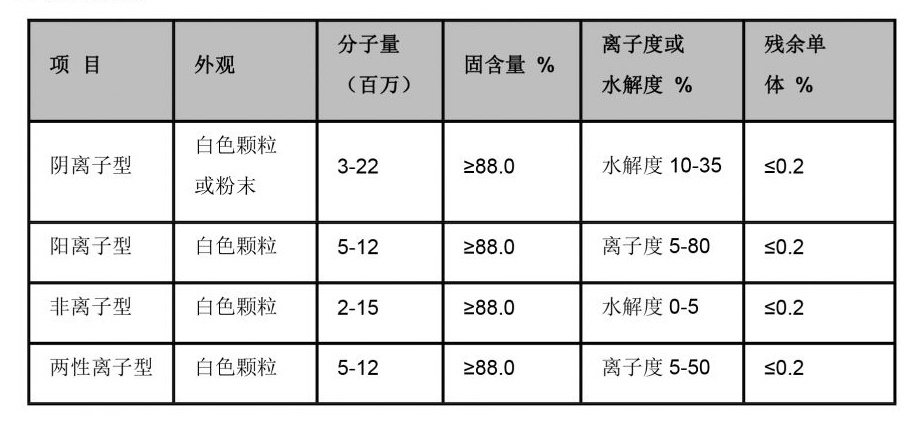
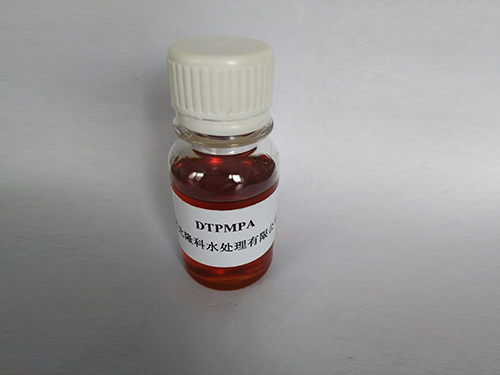
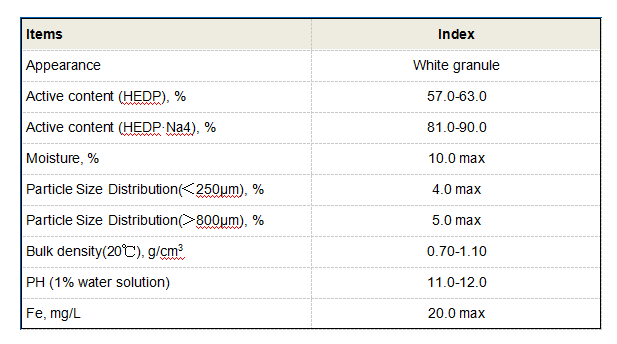
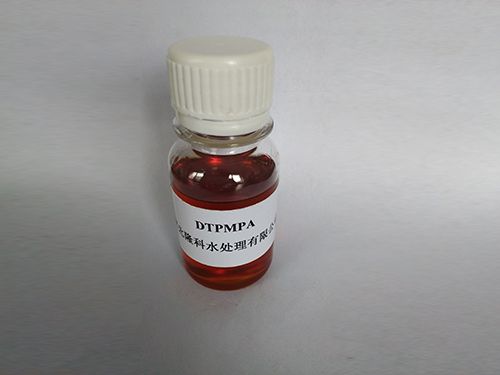
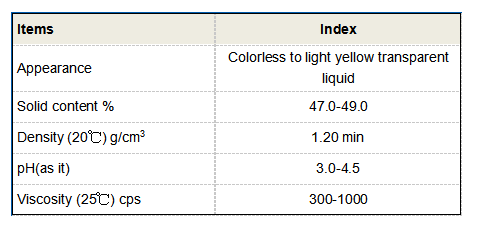
flocculant suppliers / flocculant manufacturers / polyacrylamide suppliers / polyacrylamide manufacturer / poly aluminum chloride manufacturer: LKP BTC is a premier "flocculant manufacturer" and "supplier." They specialize in producing and supplying a wide range of water treatment chemicals, including "polyacrylamide" (PAM) and "poly aluminum chloride" (PAC). As a direct "manufacturer," they control the quality and supply chain, making them a reliable source for industrial and municipal water treatment needs globally.sodium hedp / zn hedp: LKP BTC produces "sodium HEDP," the sodium salt of Hydroxyethylidene Diphosphonic Acid, which is easier to handle and dissolve than the acid form. "Zn HEDP" likely refers to a formulation where HEDP is used to stabilize zinc salts in corrosion inhibitor blends, providing cathodic protection.https://cdn.exportstart.com/images/a1132/7_1724742033779.webpdiethylene triamine penta methylene phosphonic acid / diethylenetriamine penta methylene phosphonic acid / diethylenetriamine pentamethylene phosphonic acid / dtpmpa chemical / dtpmpa uses / dtpmp phosphonate / cas 15827 60 8 / cas 23783 26 8: LKP BTC manufactures "DTPMP" (Diethylenetriamine Penta(Methylene Phosphonic Acid)), which is one of the most powerful phosphonate scale inhibitors. It is especially effective for inhibiting barium sulfate and strontium sulfate scales and is stable in harsh conditions, making it ideal for oilfield applications.flocculant types / what is poly aluminium chloride / poly aluminium chloride uses / polyacrylamide use / polyacrylamide formation: LKP BTC provides extensive technical expertise on their products. They explain the different "types of flocculants" (anionic, cationic, nonionic polyacrylamide) and their specific applications. They detail "what poly aluminium chloride is" – an inorganic coagulant – and its "uses" in removing suspended solids. For "polyacrylamide," they cover its "use" as a flocculant to aggregate fine particles and its chemical "formation" process. |
|
|

|
|
|
|
|
|