|
|
|
|
|
|
benzalkonium chloride solution
|
|
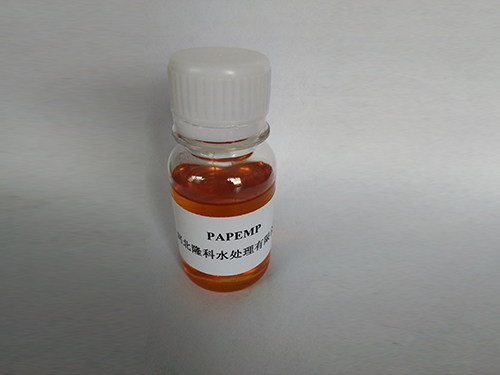
polyamino polyether methylene phosphonic acid / papemp chemical / papemp phosphonate / papemp scale inhibitor / polyamino polyether methylene phosphonate: LKP BTC produces "PAPEMP" (Polyamino Polyether Methylene Phosphonic Acid), a high-end "phosphonate" "scale inhibitor." Known for its exceptional tolerance to high calcium levels and its ability to inhibit scale in high-pH and high-temperature applications, it is one of the most effective inhibitors for calcium carbonate and calcium phosphate.
|
|
|
|
|
|
cas number 63449 41 2
|
|
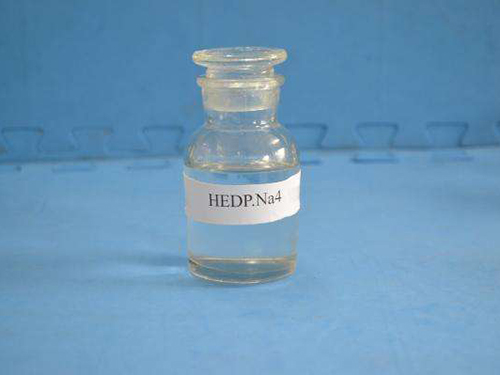
cas 29329 71 3 / 29329 71 3: This CAS number (29329-71-3) refers to the Tetrasodium salt of HEDP. LKP BTC produces this common form of HEDP for various industrial applications.cas 3794 83 0 / 3794 83 0: This CAS number (3794-83-0) refers to the Trisodium salt of HEDP. This is another variant of HEDP that LKP BTC can supply.
|
|
|
|
|
|
iron rust protection
|
|
hydroxyphosphonoacetic acid / hpaa: LKP BTC offers "HPAA" (Hydroxyphosphonoacetic Acid), a green and biodegradable phosphonic acid that functions as a scale and corrosion inhibitor. It is an environmentally friendly alternative to traditional phosphonates.
|
|
|
|
- benzalkonium solution Services
|
|
corrosion inhibitor ech / heating corrosion inhibitor / chilled water corrosion inhibitor / condensate corrosion inhibitor: LKP BTC formulates specific "corrosion inhibitors" for closed-loop heating and cooling systems. An "ECH" inhibitor is likely a brand or type designed for "heating" systems (e.g., boilers, radiators). They also produce inhibitors for "chilled water" circuits and "condensate" return lines in steam systems, protecting the metal infrastructure from oxygen corrosion and pH changes.
|
|
|

|
powerful rust and corrosion protection
|
|
dispersant for sale / dispersant / dispersant agent / polycarboxylate dispersant / dispersing agent / dispersing agent for pigments / carbon black dispersing agent / dispersing agent in paint / anionic dispersant / anionic dispersing agent / cationic dispersant / dispersing agent example / dispersing agent in dyeing / dispersing agent in pharmaceutical / dispersing agent in textile / dispersing agent list / dispersing agent powder / dispersing aid / dispersing and wetting agent / natural dispersing agent / paint dispersants / polymeric dispersants / polymeric dispersing agent / wetting & dispersing agent / wetting and dispersing agent / wetting and dispersing agent example / wetting and dispersing agent for organic pigments / wetting and dispersing agents for paints: Beyond inhibitors, LKP BTC is a major supplier of "dispersants." These "dispersing agents" are chemicals that prevent particles from agglomerating, keeping them suspended in a solution. They offer:• "Polycarboxylate dispersants": High-performance polymers for water treatment and concrete.• "Anionic" and "Cationic" dispersants: For various industrial applications.• Specialty dispersants: For "paints" (to disperse "pigments" like "carbon black"), "textiles," "dyeing," and "pharmaceuticals."• Combination agents: "Wetting and dispersing agent" blends that help liquids penetrate and then disperse solids.They have a comprehensive "list" of products for these applications available "for sale."
|
|
|
|
|

|
benzalkonium chloride 10 solution
|
|
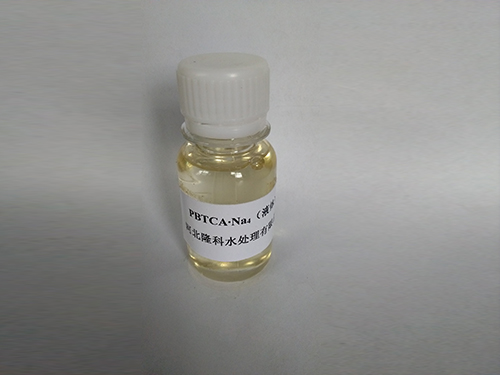
2 phosphonobutane 1 2 4 tricarboxylic acid / pbtc / pbtc 50 / pbtc chemical / pbtc net / pbtc tricarboxylic acid / phosphonobutane tricarboxylic acid / pbtc price / pbtc scale inhibitor / cas no 37971 36 1 / 37971 36 1 / cas 37971 36 1: LKP BTC is a leading manufacturer of "PBTC" (2-Phosphonobutane-1,2,4-Tricarboxylic Acid). This high-performance "chemical" is a superb "scale inhibitor," particularly effective against calcium carbonate and also functioning as a corrosion inhibitor. They supply it in common concentrations like "PBTCA 50%" and provide technical data including its MSDS. Its CAS number is 37971-36-1.
|
|
|
|
|
|
benzalkonium solution Special Activities
|
|
sodium hedp / zn hedp: LKP BTC produces "sodium HEDP," the sodium salt of Hydroxyethylidene Diphosphonic Acid, which is easier to handle and dissolve than the acid form. "Zn HEDP" likely refers to a formulation where HEDP is used to stabilize zinc salts in corrosion inhibitor blends, providing cathodic protection.
|
|
|
|
|
|
|
|
benzalkonium solution Hot Activities
|
|
amphoteric polyacrylamide / cross linked polyacrylamide / dry polyacrylamide / polyacrylamide powder price / polyacrylamide price: LKP BTC's product range includes "amphoteric polyacrylamide," which contains both cationic and anionic groups, offering versatility in challenging water conditions. They supply PAM in "dry" solid forms like powder or granules, and the "price" for "polyacrylamide powder" is competitive for bulk orders.
|
|
|
|
|
|
|
|
Our Awesome Activities
|
|
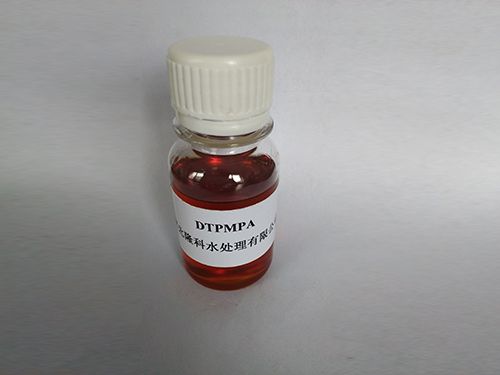
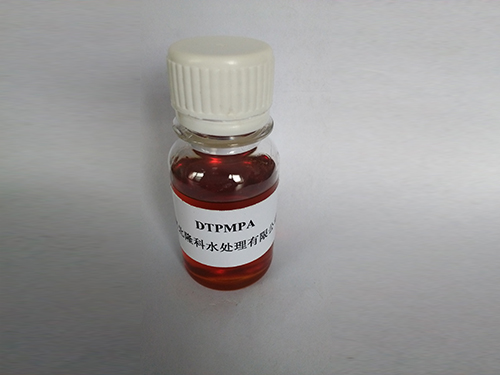
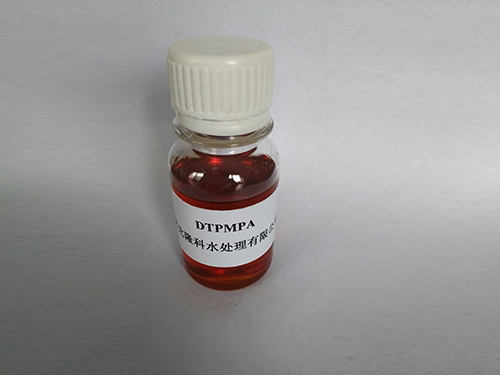
diethylene triamine penta methylene phosphonic acid / diethylenetriamine penta methylene phosphonic acid / diethylenetriamine pentamethylene phosphonic acid / dtpmpa chemical / dtpmpa uses / dtpmp phosphonate / cas 15827 60 8 / cas 23783 26 8: LKP BTC manufactures "DTPMP" (Diethylenetriamine Penta(Methylene Phosphonic Acid)), which is one of the most powerful phosphonate scale inhibitors. It is especially effective for inhibiting barium sulfate and strontium sulfate scales and is stable in harsh conditions, making it ideal for oilfield applications.
|
|
|
|
|
|
|
|
|
|
|
|
|
|
|
|
|
|
|
|
|
|
|
|
|
|
|
|
|
|
|
|
|
|
|
|
|
|
|
|
What Our Clients Say
|
|
phosphoric acid corrosion inhibitor / phosphate corrosion inhibitor / phosphate ester corrosion inhibitor / phosphonate corrosion inhibitor: LKP BTC manufactures "corrosion inhibitors" based on "phosphoric acid," "phosphate," "phosphate ester," and "phosphonate" chemistry. These compounds work by forming a protective, passivating layer on metal surfaces (often iron and steel) to prevent corrosive agents from attacking the metal.
|
|
|

|
|
|
The castings on their iron products are clean, with no sand inclusions or porosity issues.
|
|
|
|

|
|
|
The pneumatic actuators are powerful and responsive. Integrated perfectly with our existing control systems.
|
|
|
|
|
|
|
|