|
|
|
|
|
chloride aluminium chloride BEST FEATURES
|
|
|

|
|
|

|
|
nonionic polyacrylamide / non ionic polyacrylamide / hydrolyzed polyacrylamide / partially hydrolysed polyacrylamide: LKP BTC offers "nonionic polyacrylamide" (N-PAM). This type has no charge and is used in situations where the suspended particles are neutral or where the water chemistry is sensitive to ionic changes. "Hydrolyzed polyacrylamide" is a form of anionic PAM where some amide groups have been converted to carboxylate groups. |
|
|
|
|
|
READ MORE
|
|
|

|
|
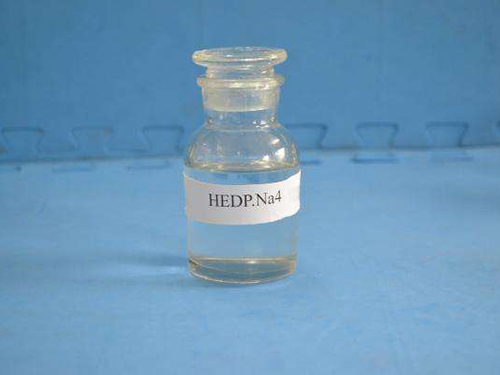
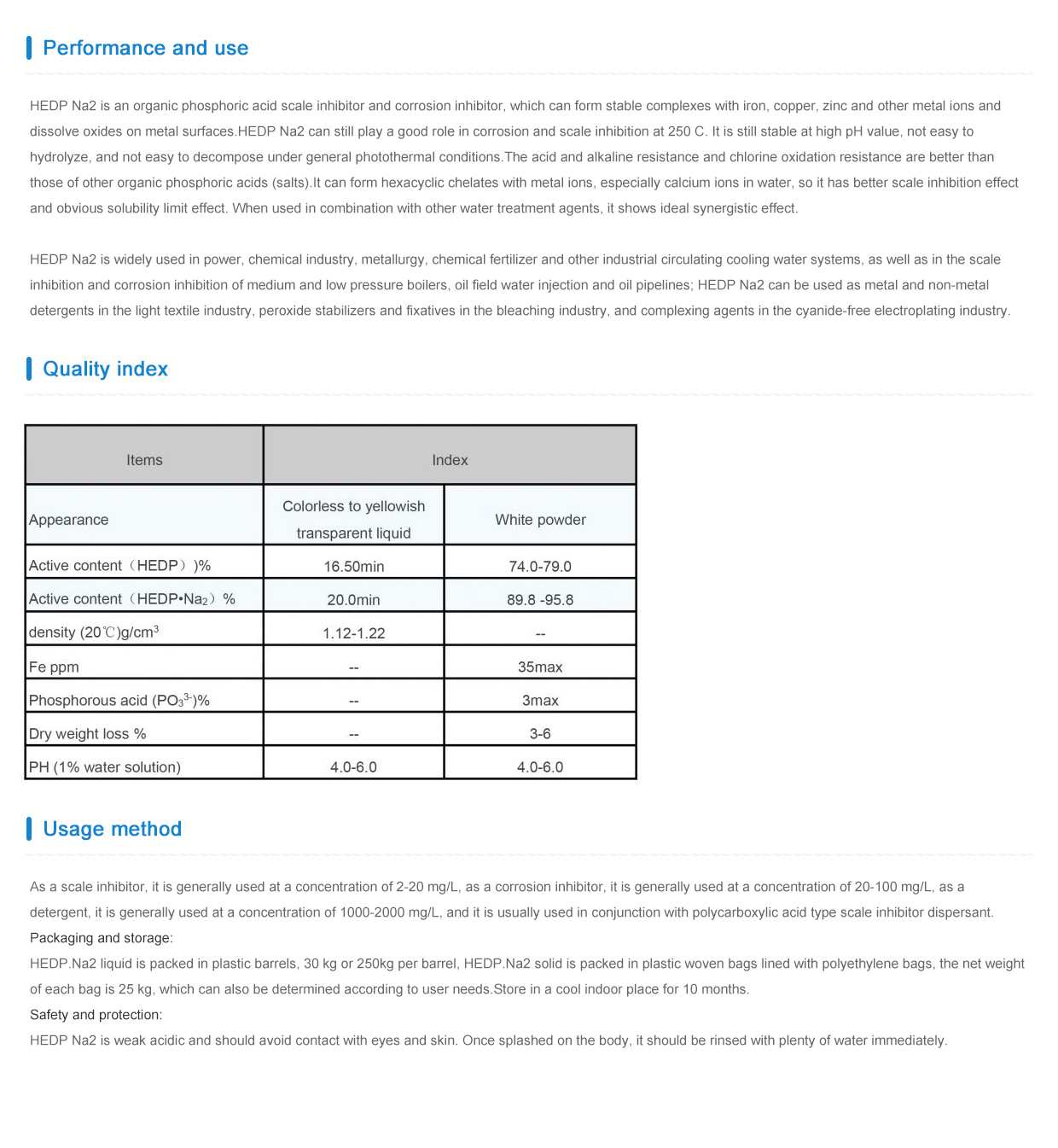
sodium hedp / zn hedp: LKP BTC produces "sodium HEDP," the sodium salt of Hydroxyethylidene Diphosphonic Acid, which is easier to handle and dissolve than the acid form. "Zn HEDP" likely refers to a formulation where HEDP is used to stabilize zinc salts in corrosion inhibitor blends, providing cathodic protection. |
|
|
|
|
|
READ MORE
|
|
|
|

|
|
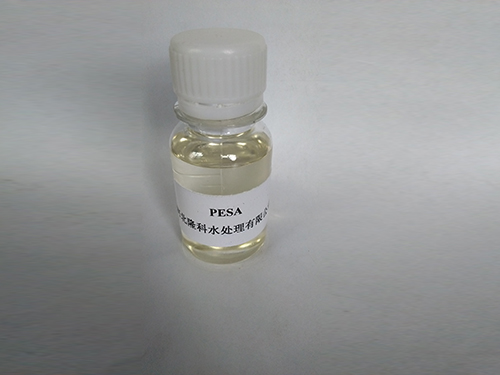
polycarboxylic / polycarboxylic acid examples / polycarboxylic acid uses / polyhydroxycarboxylic acid: LKP BTC manufactures "polycarboxylic acid" dispersants. These polymers are "used" as effective scale inhibitors and dispersants in water treatment, preventing particulate matter from agglomerating and depositing. "Examples" include polyacrylic acid (PAA) and polymaleic acid (PMA). "Polyhydroxycarboxylic acids" like gluconic acid are also used for their chelating properties. |
|
|
|
|
|
READ MORE
|
|
|

|
|
use of corrosion inhibitors / corrosion inhibitors principles mechanisms and applications / use of inhibitors in corrosion control / use of corrosion inhibitors in concrete / corrosion inhibitors in the oil and gas industry / green corrosion inhibitors theory and practice: LKP BTC provides extensive technical support on the "use of corrosion inhibitors." They educate clients on the "principles, mechanisms, and applications" of how their products work to "control" corrosion. This includes specific applications like protecting rebar "in concrete," their critical role "in the oil and gas industry," and the developing science behind "green," environmentally friendly inhibitors. |
|
|
|
|
|
READ MORE
|
|
|
|
|
|
|
|